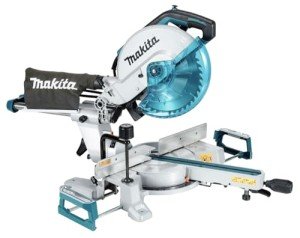
Understanding the Sliding Mitre Saw and Stand: A Comprehensive Guide
The sliding mitre saw is a versatile and precise tool utilized in woodworking and construction. It integrates the functionality of a mitre saw with the included reach of a sliding system, enabling effective cutting of broad materials at numerous angles. When coupled with best double bevel mitre saw uk powertoolsonline , the sliding mitre saw ends up being much more reliable, providing stability and mobility. This post will dive into the complexities of the sliding mitre saw and stand, exploring their functions, benefits, and best practices for use.
What is a Sliding Mitre Saw?
A sliding mitre saw is a sophisticated variation of the conventional mitre saw. While a standard mitre saw can cut at angles, the sliding mechanism enables the blade to progress and backwards, comparable to a radial arm saw. This function considerably increases the cutting capacity of the saw, making it ideal for cutting bigger pieces of wood or other products.
Secret Features:
- Adjustable Blade: The blade can be set to different angles, generally varying from 45 to 90 degrees, and sometimes much more.
- Sliding Mechanism: The blade moves along a rail, extending the cutting length.
- Laser Guide: Many designs consist of a laser guide to ensure exact cuts.
- Dust Collection System: Helps keep the workspace clean.
- Bevel Adjustment: Allows for compound cuts, where the blade is tilted to one side.
- Fence System: Provides assistance and positioning for the product being cut.
Benefits of Using a Sliding Mitre Saw
- Increased Cutting Capacity: The sliding system enables cutting larger materials without the need for numerous passes.
- Precision and Accuracy: The adjustable blade and laser guide ensure that cuts are precise and consistent.
- Versatility: Capable of making mitre cuts, bevel cuts, and compound cuts, making it suitable for a broad range of jobs.
- Efficiency: The capability to make tidy, precise cuts quickly can save a significant quantity of time on large projects.
- Mobility: Many designs are created to be portable, making them suitable for on-site work.
Types of Sliding Mitre Saws
- Single-Bevel Sliding Mitre Saw: The blade can only bevel in one instructions, typically to the right.
- Dual-Bevel Sliding Mitre Saw: The blade can bevel in both directions, offering higher flexibility for compound cuts.
- Compound Sliding Mitre Saw: Combines the functions of a sliding mitre saw with bevel changes, enabling for both mitre and bevel cuts.
- Laser Guided Sliding Mitre Saw: Features a laser guide to boost precision.
- Dust Collection Sliding Mitre Saw: Equipped with a dust collection system to keep the workspace clean.
Choosing the Right Sliding Mitre Saw Stand
A stand is an important accessory for a sliding mitre saw, offering stability and assistance. It can also enhance the tool's portability and performance.
Key Features to Look for in a Stand:
- Stability: Ensure the stand is sturdy and can support the weight of the saw and the products.
- Adjustable Height: A stand with adjustable height can be customized to the user's comfort.
- Portability: Look for stands with wheels for easy transportation.
- Work Surface: A large, flat surface is crucial for holding and aligning products.
- Folding Design: Stands that fold for storage are easier.
- Compatibility: Ensure the stand is suitable with your particular model of sliding mitre saw.
Setting Up and Using a Sliding Mitre Saw and Stand
- Assemble the Stand: Follow the maker's guidelines to assemble the stand. Ensure all parts are securely attached.
- Mount the Saw: Place the sliding mitre saw on the stand and protect it according to the stand's standards.
- Adjust the Height: Set the stand to a comfy height for the user to avoid pressure.
- Look for Stability: Ensure the stand is steady and the saw is securely mounted before starting.
- Prepare the Material: Measure and mark the material properly. Use the fence system to line up the product with the blade.
- Make it: Turn on the saw and gradually slide the blade through the product, guaranteeing it follows the significant line.
Safety Tips
- Use Protective Gear: Always use safety glasses, ear defense, and a dust mask.
- Keep the Area Clean: Ensure the work location is totally free of particles to prevent accidents.
- Use the Right Blade: Choose a blade suitable for the material being cut.
- Follow Manufacturer Instructions: Adhere to the user manual for setup and operation.
- Preserve the Saw: Regularly clean and sharpen the blade to guarantee optimum performance.
Upkeep and Care
- Clean After Use: Remove sawdust and particles from the saw and stand after each usage.
- Examine the Blade: Regularly check the blade for damage or dullness.
- Lubricate Moving Parts: Apply lubricant to the sliding system and other moving parts to guarantee smooth operation.
- Store Properly: Store the saw and stand in a dry, safe area to prevent rust and damage.
FAQs
Q: What is the main difference in between a single-bevel and dual-bevel sliding mitre saw?
- A: A single-bevel sliding mitre saw can just bevel in one instructions, normally to the right, while a dual-bevel sliding mitre saw can bevel in both directions, using higher versatility for compound cuts.
Q: Can a sliding mitre saw cut through metal?
- A: While some sliding mitre saws can cut through thin metal with the ideal blade, they are mainly developed for cutting wood and other softer products. For much heavier metal cutting, a devoted metal-cutting saw is recommended.
Q: How typically should I hone the blade on my sliding mitre saw?
- A: The frequency of blade honing depends upon the kind of material being cut and the quantity of usage. Normally, inspect the blade after every 100 cuts and sharpen or change it if it shows signs of dullness or damage.
Q: What are the benefits of a stand with wheels?
- A: A stand with wheels uses higher mobility, permitting the saw to be quickly moved from one place to another. This is particularly useful for on-site work or for users with restricted work area.
Q: Can a sliding mitre saw be used for rip cuts?
- A: While a sliding mitre saw is mostly developed for cross cuts and mitre cuts, it can be used for brief rip cuts with mindful positioning. However, a table saw or circular saw is preferable for longer rip cuts.
The sliding mitre saw and stand are important tools for any expert or DIY enthusiast included in woodworking or building and construction. Their mix of precision, performance, and flexibility makes them perfect for a vast array of tasks. By understanding the features, benefits, and correct usage of these tools, users can optimize their potential and achieve professional outcomes. Whether you are an experienced pro or a beginner, purchasing a high-quality sliding mitre saw and stand can substantially boost your workflow and project outcomes.
Extra Resources
- User Manuals: Always describe the user handbook offered by the maker for comprehensive setup and operation instructions.
- Online Tutorials: Many online platforms use video tutorials and step-by-step guides for using a sliding mitre saw and stand.
- Professional Workshops: Attending workshops or classes can provide hands-on experience and expert advice on utilizing these tools effectively.
By following the guidelines and pointers described in this article, users can confidently and securely run a sliding mitre saw and stand, making sure that their jobs are finished with precision and performance.